

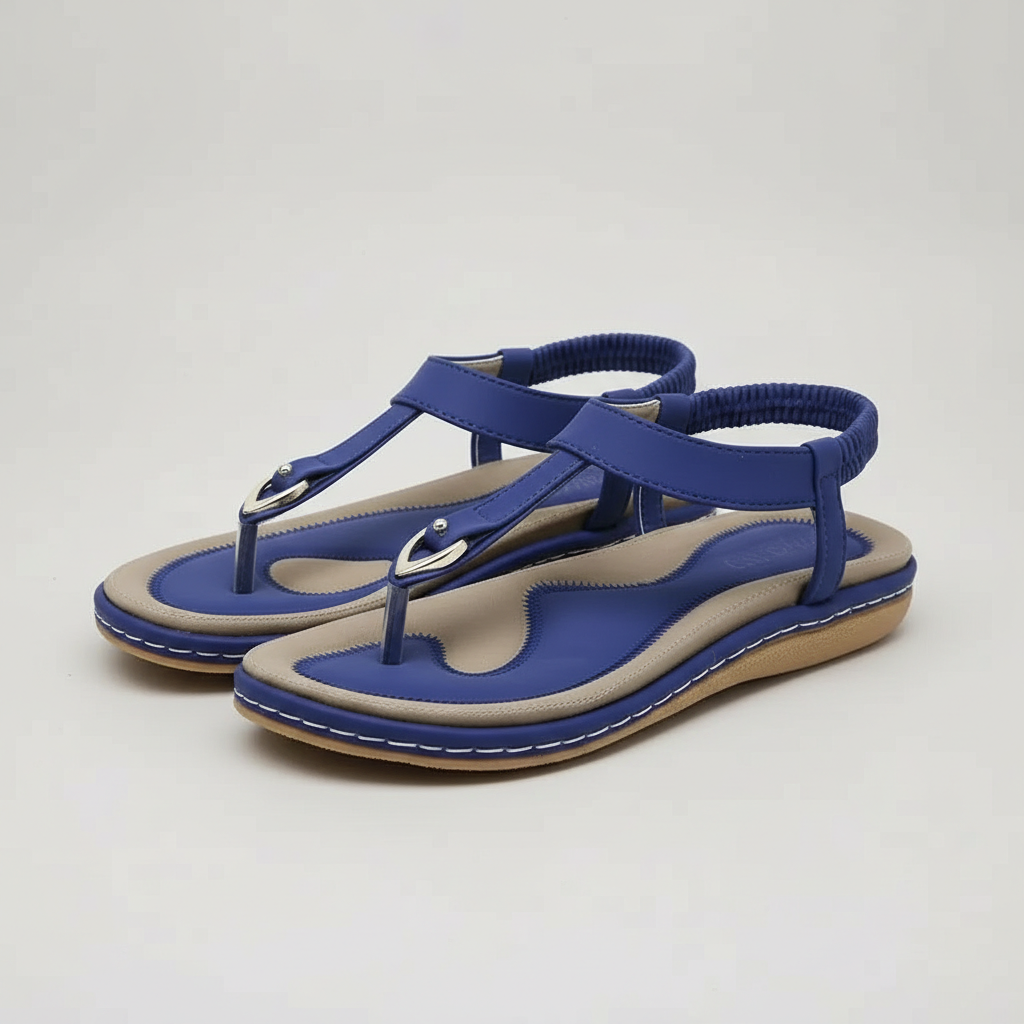
To choose sandals for several casual occasions, start with the outfits you already own and the settings where you expect to wear them. Test one pair against those real combinations instead of shopping separately for each outfit. You may still need different footwear for different conditions, but you can avoid buying near-duplicates that serve the same role.
The aim is not to make one sandal suitable for every activity. It is to identify where a single well-chosen style can work visually without compromising the practical requirements of the day.
List occasions before choosing colors
Write down the next few plans: a casual dinner, a family gathering or a daytime event, for example. Check any venue expectations and think about the walking route, weather and surfaces.
Remove occasions that require different or protective footwear from this particular decision. A style that looks right with a dress is not automatically appropriate for a demanding walk or a venue with enclosed-shoe rules.
You now have a smaller, more realistic set of outfits to compare. That is more useful than asking a sandal to be “versatile” without defining what versatility means for you.
Try the existing outfits together
Lay out the clothes or try them on with a pair you already own. Identify a shared color direction or level of decoration. If most outfits are patterned, a quieter shoe may be useful. If the clothes are simple, an embellished sandal can provide a repeated detail.
My Comfy Sandal's Comfort Slip-On Sandals and Weave Style Rhinestone Sandals offer different visual directions. Compare the actual selected variants rather than assuming every colorway has the same effect.
Do not choose only from the first outfit on the list. A pair that works beautifully with one dress may add little to the rest of your wardrobe.
Separate appearance from fit
Once the visual direction is clear, assess the specific product's size information and construction details. A familiar size label is not enough to establish the fit of another style.
When trying the pair, wear the complete outfit and move normally. Check hems, closures and whether anything catches on the shoe's decoration. Follow the seller's inspection and return conditions while assessing fit.
Avoid treating a product name as proof of all-day comfort, traction or another performance claim. Those needs deserve their own careful assessment, separate from whether the colors coordinate.
Compare against what you already own
Before buying, place the proposed pair beside the role filled by your existing sandals. Is it solving a real gap, replacing an unsuitable pair or merely repeating the same look in a very similar shade?
There is nothing wrong with enjoying several styles. The useful distinction is between a deliberate choice and a rushed purchase for an event that existing footwear could already cover.
If you are considering Bohemia Flip Flops, for instance, compare their intended role with the other options rather than assuming the different name means an entirely different need.
Save the successful combinations
Photograph the outfits that work and keep them together on your phone. The next time a similar invitation arrives, you have an established option instead of restarting the shopping process.
Choose for your real calendar, check the fit independently and let a few successful combinations define the purchase. A small occasion wardrobe works because its pieces are understood and usable—not because every event triggers another order.
Related guide: Vacation Sandal Packing Guide: Slip-Ons, Flip-Flops & Embellished Styles.